
Publications
#1)
UNESCO
01/07/2026
REPOST

The UNESCO Courier - Is journalism old news?
Modern journalism faces a profound crisis driven by generative artificial intelligence, social media algorithms, and widespread misinformation. Collapsing advertising revenues, news avoidance, and declining public trust severely threaten traditional media models and press freedom globally. In response, news organizations are adapting through subscription newsrooms, podcasts, collaborative global networks, and rigorous fact verification. Grounded in accuracy, independence, and transparency, verified reporting remains an essential public good for democratic societies worldwide today.

#2)
Government of Canada
04/06/2026
REPOST

Canada’s National Artificial Intelligence Strategy
Canada’s "AI for All" Strategy provides a national roadmap anchored in three core principles: trust, opportunity, and sovereignty. Designed to address existing adoption and literacy gaps, the strategy aims to increase domestic business AI adoption from 12% to 60% by 2034, unlock $200 billion in GDP gains, and generate 250,000 jobs. Major actions include building sovereign compute infrastructure, strengthening digital literacy nationwide, and executing targeted national missions starting in healthcare.
#3)
CANADIAN ANTI-MONOPOLY PROJECT
02/06/2026
REPOST
Submission
Parting Clouds: Creating a Competitive Marketplace for Compute
Canada's cloud computing sector is heavily dominated by three American hyperscalers controlling 85% of the public market, creating vendor lock-in and severe national sovereignty risks. To address this structural market failure, the Canadian Anti-Monopoly Project proposes commoditizing cloud infrastructure. Core policy interventions include leveraging federal procurement to mandate interoperability standards, implementing proactive utility-style regulation to eliminate egress fees, and pursuing targeted competition enforcement against anti-competitive practices like bundling and tying.
#4)
UNESCO
18/02/2026
REPOST
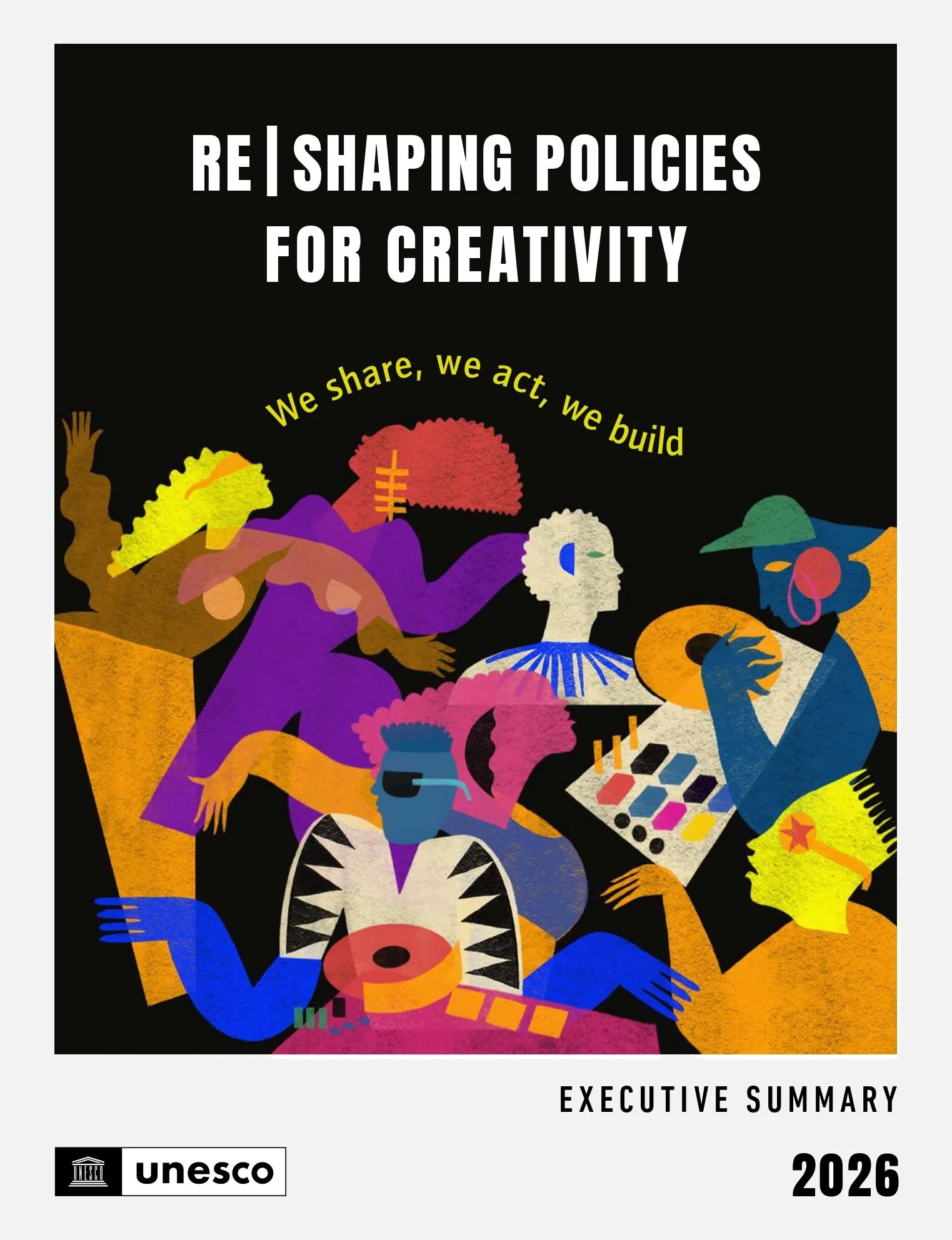
Re|Shaping Policies for Creativity
UNESCO’s Re|Shaping Policies for Creativity report monitors global cultural governance under the 2005 Convention. While institutional progress is evident through universal state representation for culture, direct public funding remains below 0.6% of GDP globally. Technological shifts and generative AI exacerbate structural inequalities, creator precarity, and severe regulatory voids. Ultimately, UNESCO calls for urgent global action to defend artistic freedom, ensure fair remuneration, and embed culture as a global public good.
#5)
IBM
01/12/2025
REPOST
Government in the AI era
As global volatility grows, public sector leaders are accelerating artificial intelligence adoption, recognizing inaction as an unacceptable risk. Governments plan to increase AI budget allocations from 8% to over 13% by 2030, shifting investments toward generative and agentic systems. However, only 7% of enterprise data is currently leveraged. Advancing AI maturity requires bridging data readiness gaps, closing workforce skills shortages, and establishing ethical governance frameworks to build essential public trust.
#6)
UNESCO
23/04/2025
REPOST
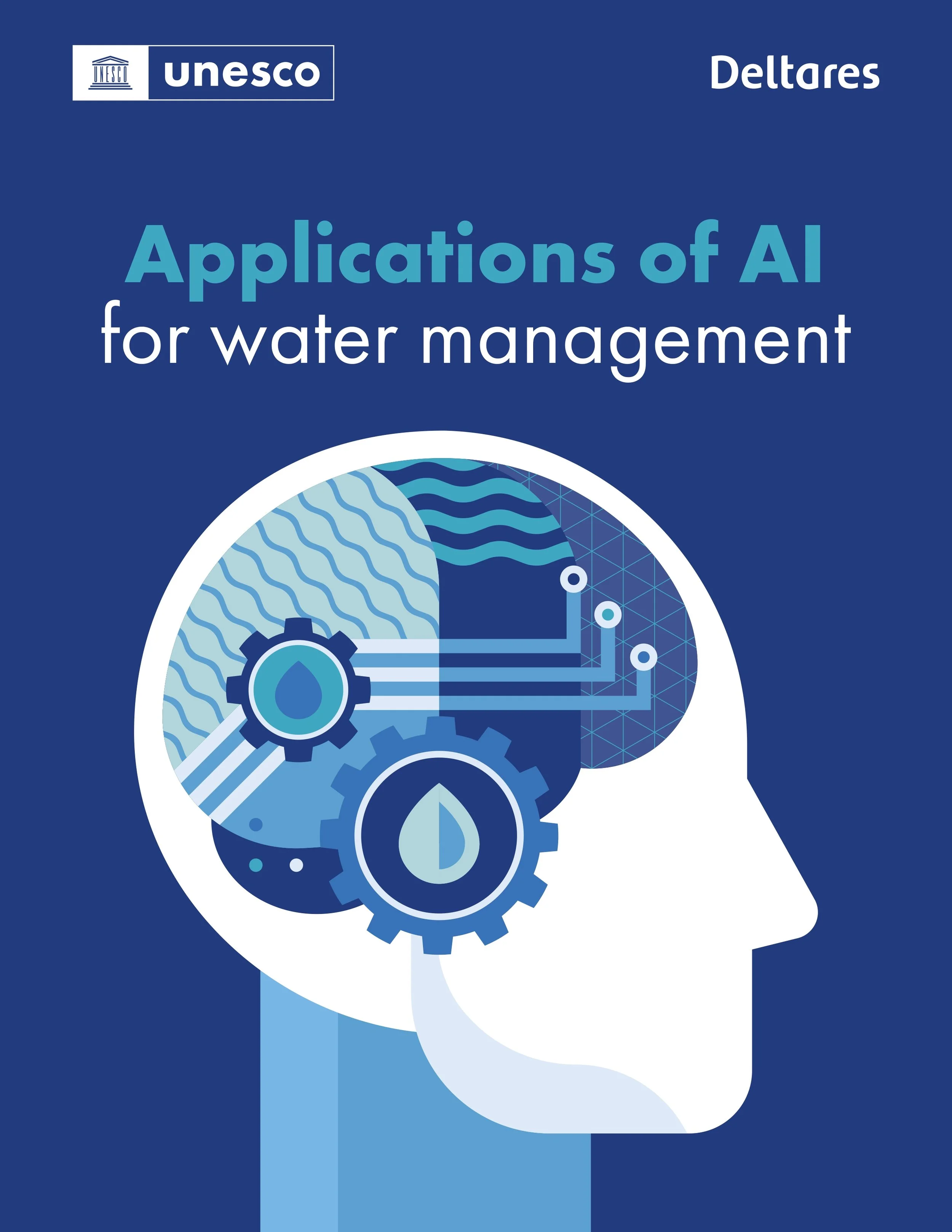
Applications of artificial intelligence for water management
Artificial intelligence is rapidly transforming global water management into a data-driven scientific discipline. Advanced digital tools leverage machine learning predictions, physics-informed model emulators, computer vision algorithms, and natural language processing. These core methodologies significantly optimize surface water supply, groundwater modeling, flood risk forecasting, climate change adaptation, and water quality monitoring. Nevertheless, critical implementation challenges remain for decision-makers, including data scarcity during extreme hydrologic events, limited model explainability, and ethical considerations.
#7)
IBM
22/04/2025
REPOST
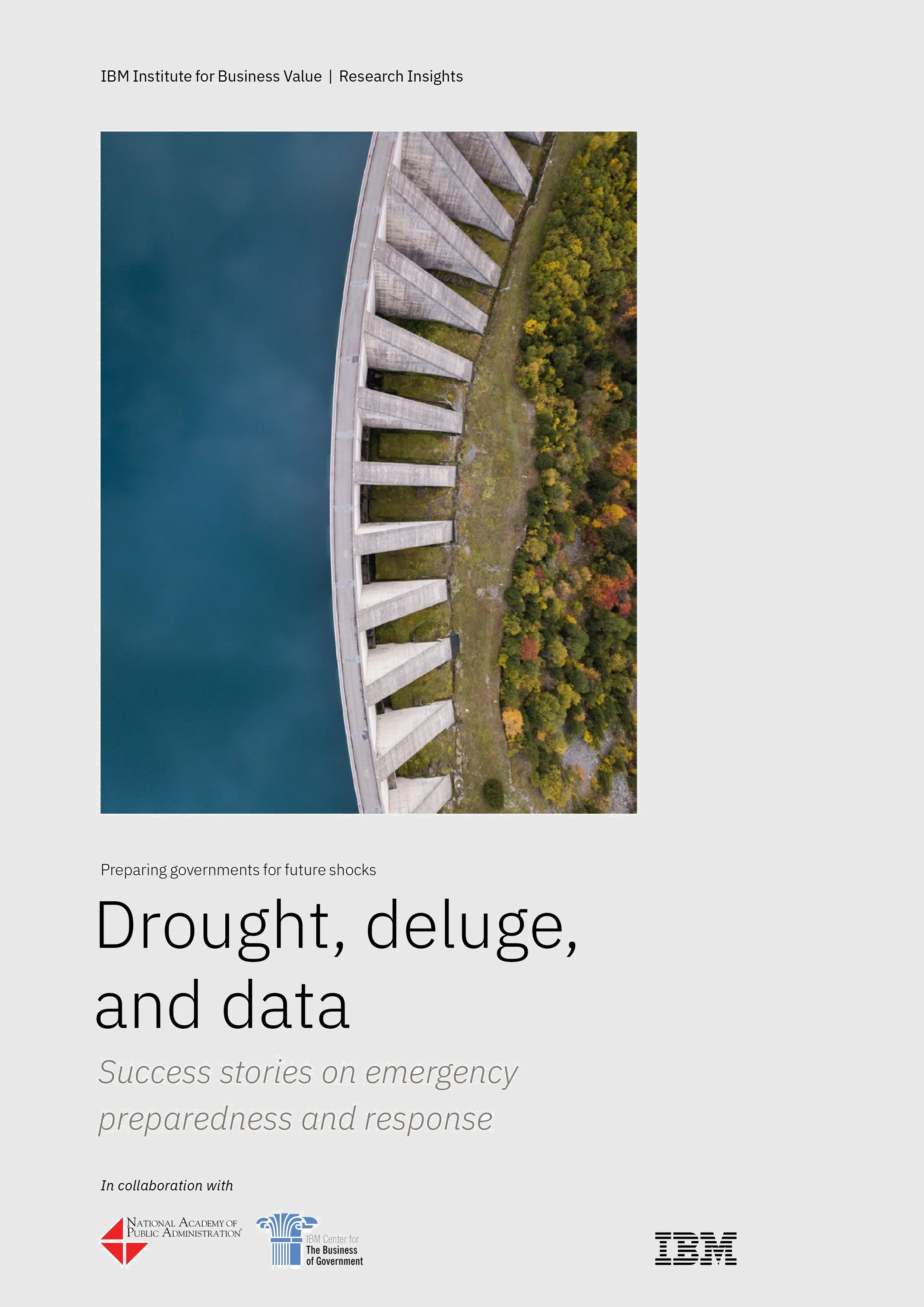
Drought, deluge, and data
Escalating climate shocks require governments to transition from reactive disaster response to proactive, data-driven resilience. Case studies from Texas, Colorado, and Jakarta highlight how participatory flood mapping, integrated land-water governance, and crowdsourced emergency platforms empower local communities. Furthermore, open-source AI climate models enhance localized disaster forecasting. To safeguard vulnerable populations, public sector leaders must break down institutional silos, enable real-time data sharing, and build collaborative, trusted networks before crises strike.
#8)
UNESCO
01/05/2019
REPUBLIER
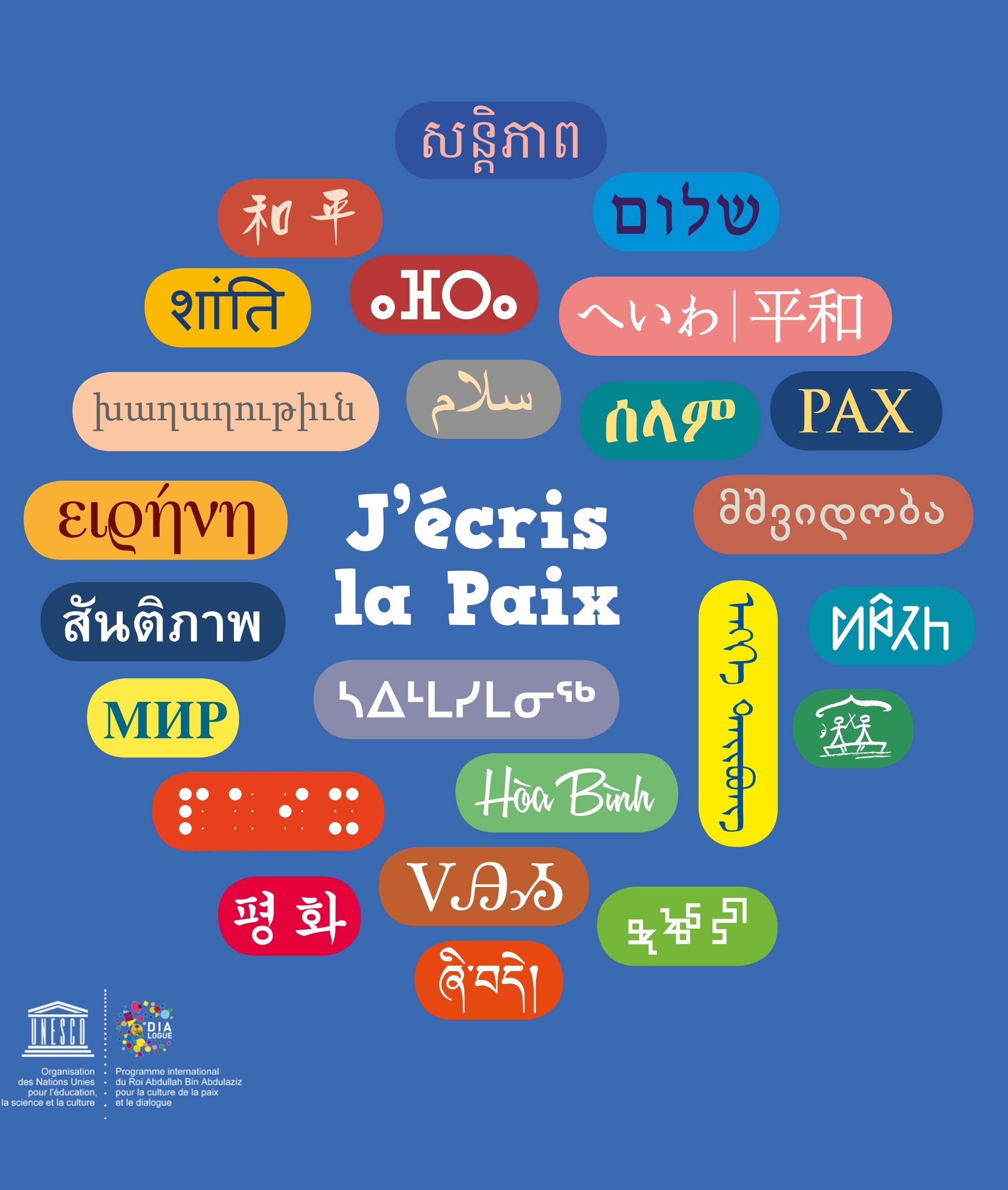
J'écris la paix
L'Écriture de la paix : manuel de l'enseignant de l'UNESCO, rédigé par le linguiste Eric Cattelain, aide les enseignants à initier les élèves de 8 à 18 ans aux systèmes d'écriture contemporains. Organisé en dix ateliers thématiques, ce guide pédagogique explore les familles d'écritures, les interactions linguistiques, l'histoire et la calligraphie créative. En familiarisant les jeunes apprenants avec diverses écritures et expressions mondiales de la paix, cette initiative promeut activement le dialogue interculturel, le respect mutuel et un engagement commun envers la citoyenneté mondiale.
#9)
UNESCO
01/03/2019
REPUBLIER
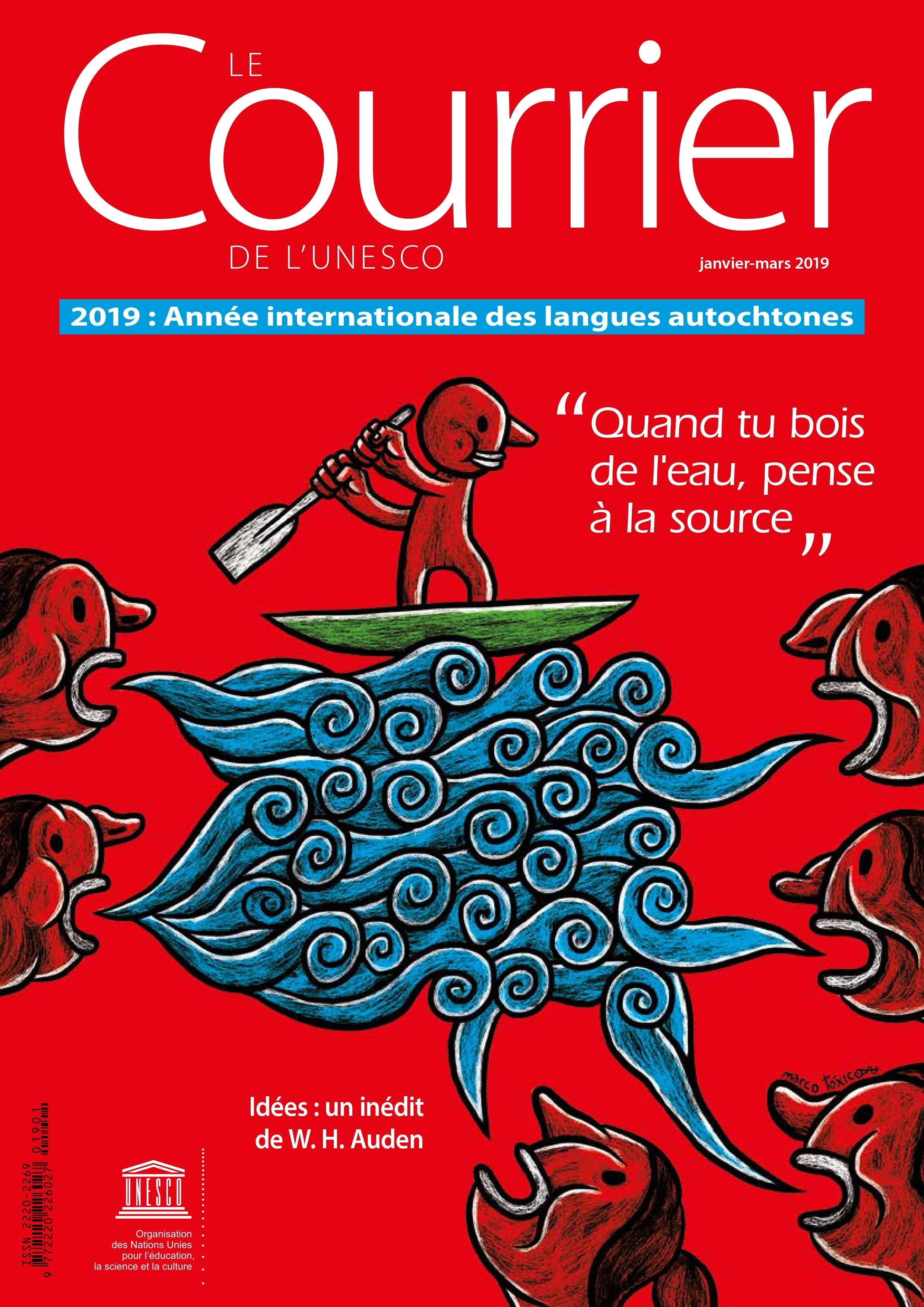
DE L’UNESCO Courrier - 2019: Année internationale des langues autochtones
Cette édition 2019 du Courrier de l'UNESCO met en évidence le rôle crucial des langues autochtones dans la préservation de la diversité culturelle et biologique mondiale. Les sources soulignent que ces langues ne sont pas de simples outils de communication, mais des dépositaires de savoirs ancestraux essentiels à la conservation de l'environnement et à un mode de vie durable.
#10)
Library of Parliament
REPUBLIER
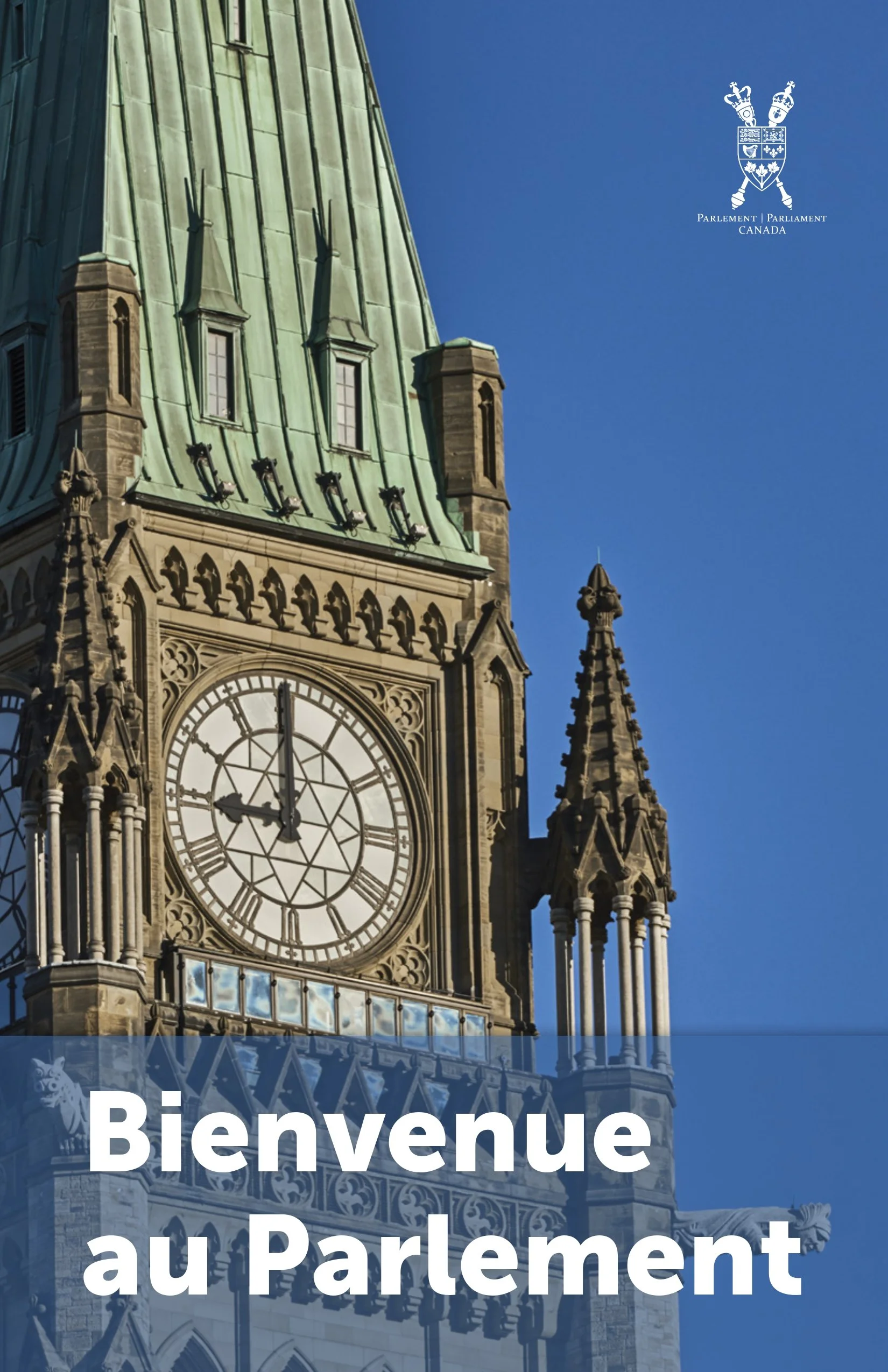
Bienvenue au Parlement
Une présentation décrivant la démocratie parlementaire du Canada. En tant que corps législatif fédéral, le Parlement adopte des lois nationales sur des enjeux touchant l'ensemble du pays, tels que le commerce et la défense. Il s'articule autour de trois piliers fondamentaux : le monarque (représenté par le gouverneur général), un Sénat nommé assurant la représentation régionale, et une Chambre des communes élue représentant la population. Ensemble, ils proposent, débattent et adoptent les lois.