
Publications
#1)
IBM
30/11/2026
REPOST
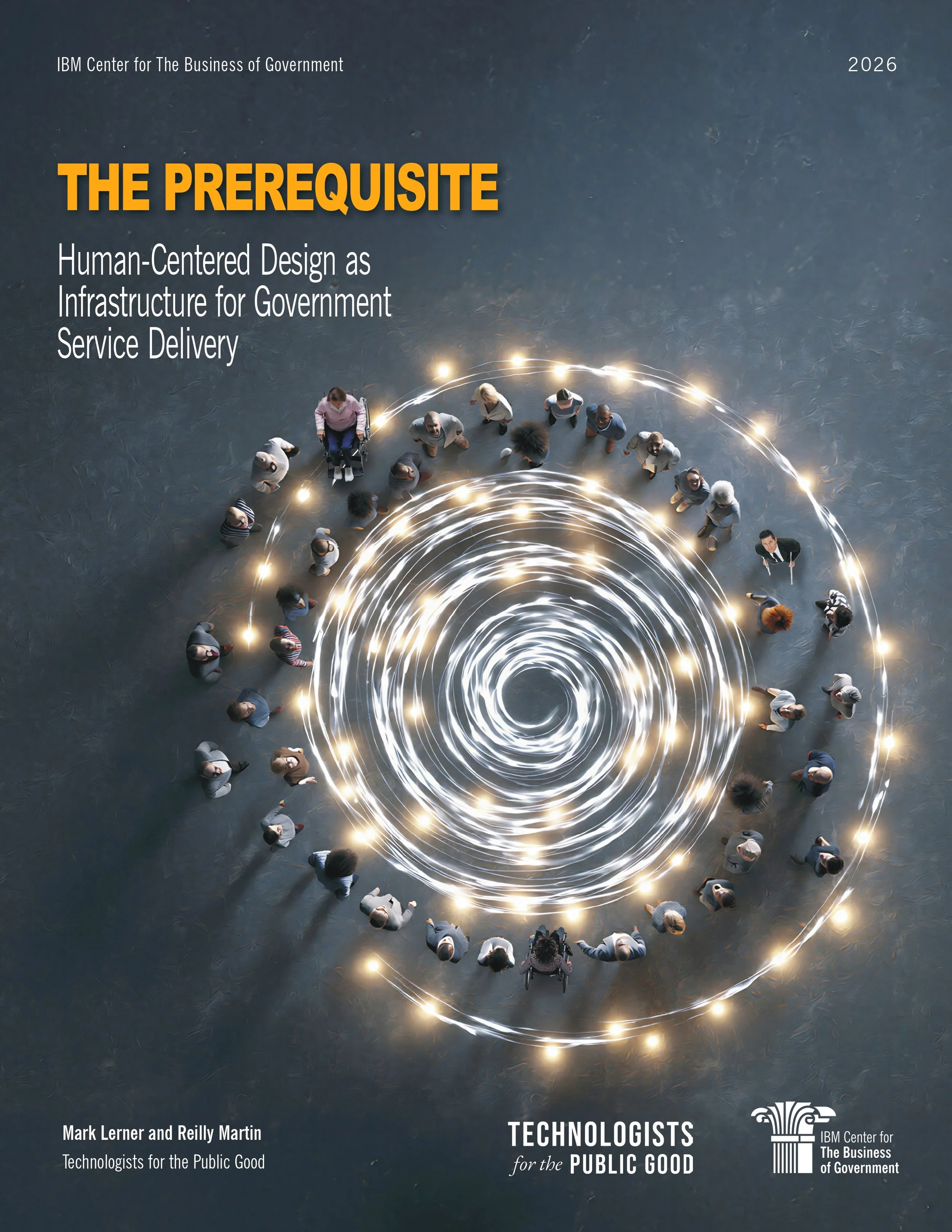
The Prerequisite: Human-Centered Design as Infrastructure for Government Service Delivery
Human-centered design (HCD) serves as vital infrastructure to strengthen public trust and dismantle administrative burdens. These burdens impose a "time tax" comprising learning, compliance, and psychological costs. To overcome these obstacles, the report introduces the Human-Centered Design Readiness Ladder, a sequential framework progressing through technical foundations, iterative development, user-centricity, and holistic service design. Through diverse public sector case studies, the authors show that organizations must build these HCD capabilities sequentially.


#2)
UNESCO
01/07/2026
REPOST

The UNESCO Courier - Is journalism old news?
Modern journalism faces a profound crisis driven by generative artificial intelligence, social media algorithms, and widespread misinformation. Collapsing advertising revenues, news avoidance, and declining public trust severely threaten traditional media models and press freedom globally. In response, news organizations are adapting through subscription newsrooms, podcasts, collaborative global networks, and rigorous fact verification. Grounded in accuracy, independence, and transparency, verified reporting remains an essential public good for democratic societies worldwide today.
#3)
CANADIAN ANTI-MONOPOLY PROJECT
02/06/2026
REPOST
Submission

CAMP - Parting Clouds: Creating a Competitive Marketplace for Compute
Canada's cloud computing sector is heavily dominated by three American hyperscalers controlling 85% of the public market, creating vendor lock-in and severe national sovereignty risks. To address this structural market failure, the Canadian Anti-Monopoly Project proposes commoditizing cloud infrastructure. Core policy interventions include leveraging federal procurement to mandate interoperability standards, implementing proactive utility-style regulation to eliminate egress fees, and pursuing targeted competition enforcement against anti-competitive practices like bundling and tying.
#4)
UNESCO
18/02/2026
REPOST
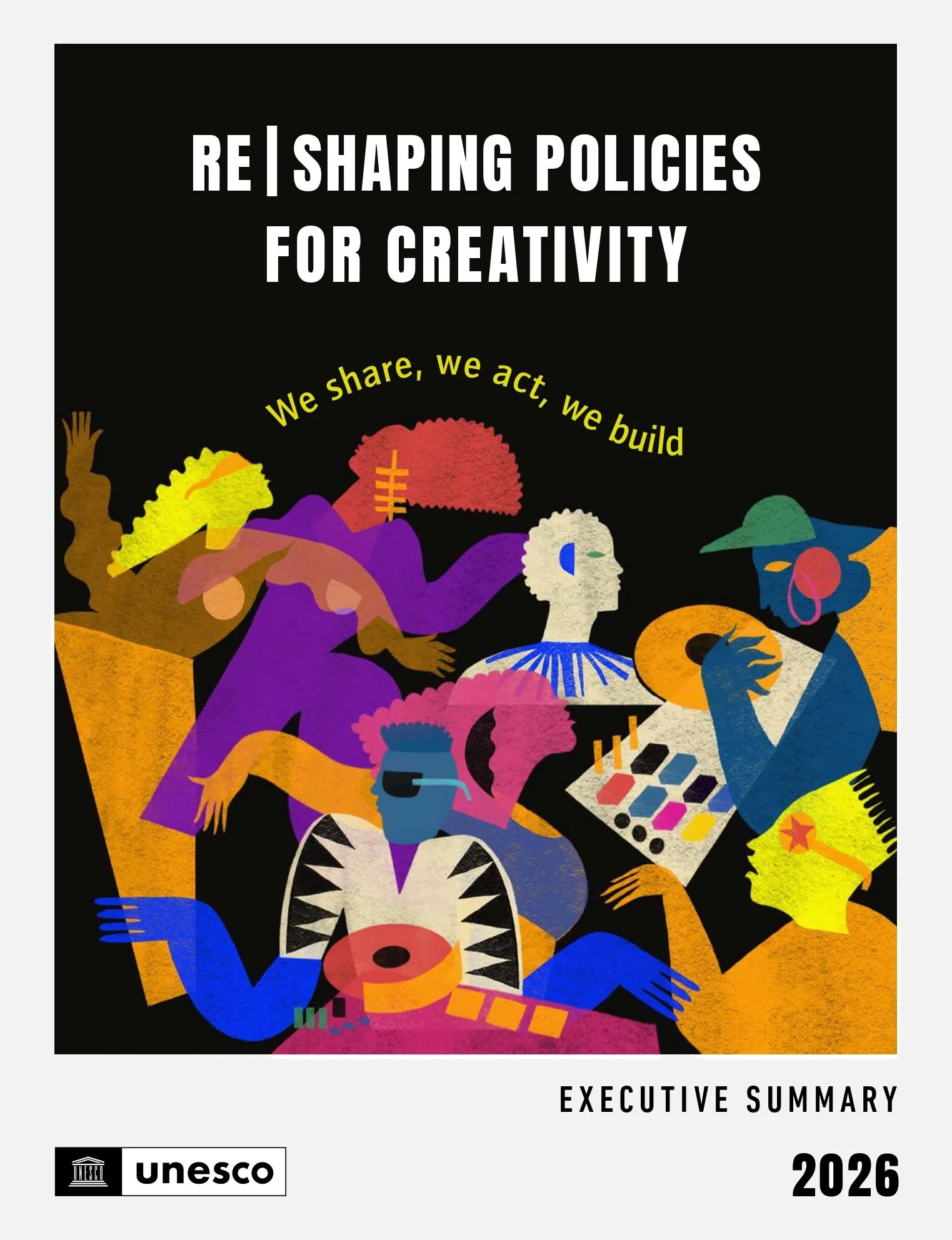
Re|Shaping Policies for Creativity: we share, we act, we build; executive summary
UNESCO’s Re|Shaping Policies for Creativity report monitors global cultural governance under the 2005 Convention. While institutional progress is evident through universal state representation for culture, direct public funding remains below 0.6% of GDP globally. Technological shifts and generative AI exacerbate structural inequalities, creator precarity, and severe regulatory voids. Ultimately, UNESCO calls for urgent global action to defend artistic freedom, ensure fair remuneration, and embed culture as a global public good.
#5)
UNESCO
23/04/2025
REPOST
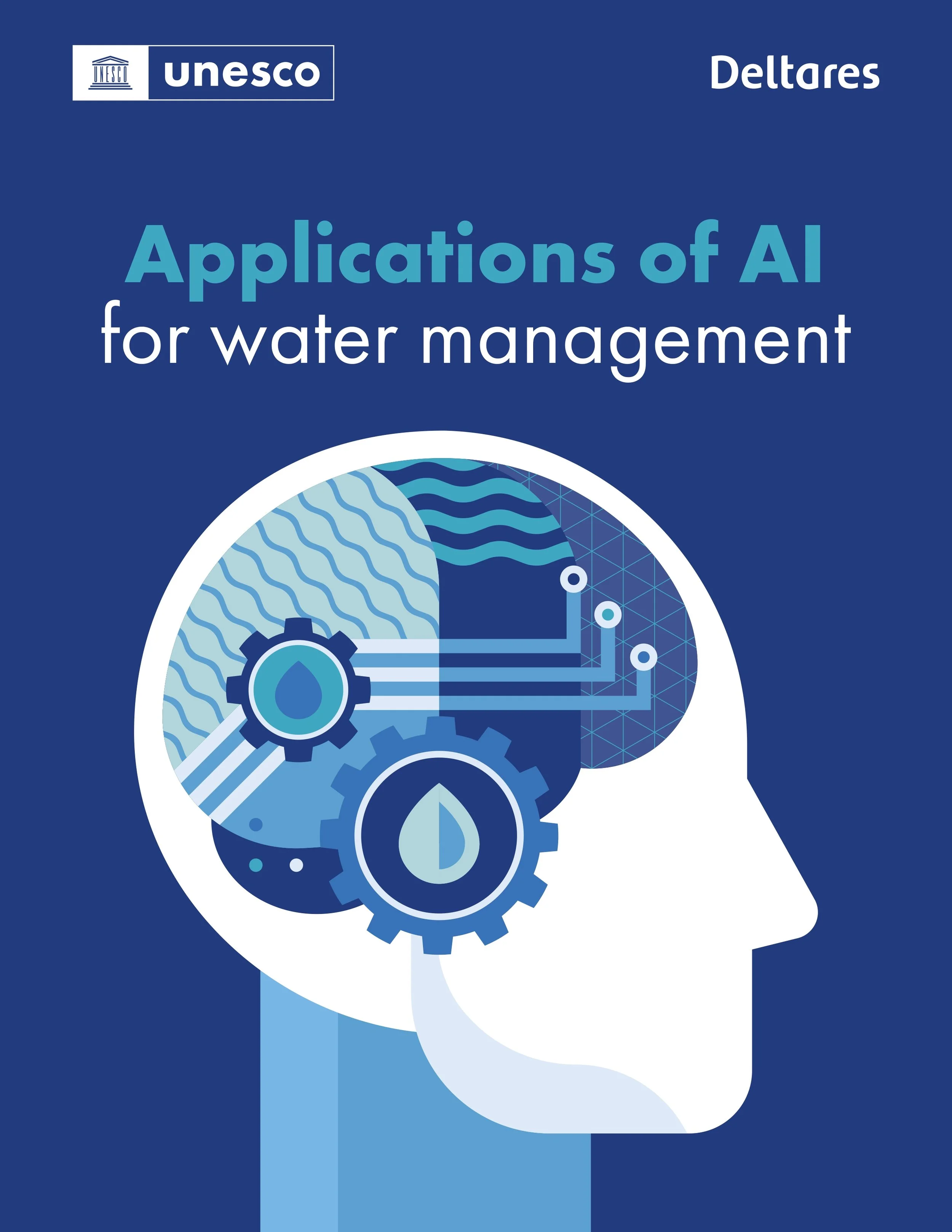
Applications of artificial intelligence for water management
Artificial intelligence is rapidly transforming global water management into a data-driven scientific discipline. Advanced digital tools leverage machine learning predictions, physics-informed model emulators, computer vision algorithms, and natural language processing. These core methodologies significantly optimize surface water supply, groundwater modeling, flood risk forecasting, climate change adaptation, and water quality monitoring. Nevertheless, critical implementation challenges remain for decision-makers, including data scarcity during extreme hydrologic events, limited model explainability, and ethical considerations.
#6)
IBM
22/04/2025
REPOST
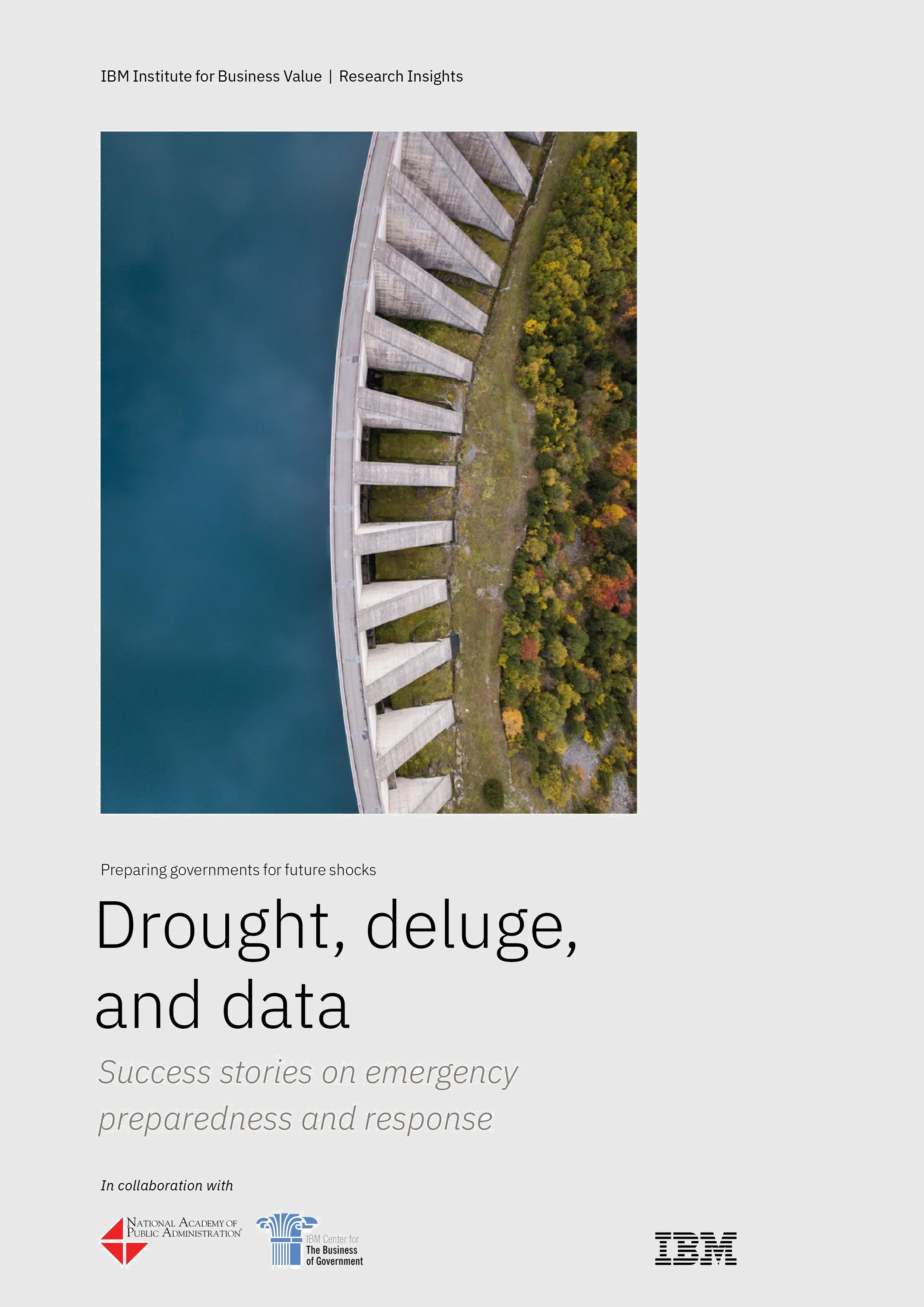
Drought, deluge, and data
Escalating climate shocks require governments to transition from reactive disaster response to proactive, data-driven resilience. Case studies from Texas, Colorado, and Jakarta highlight how participatory flood mapping, integrated land-water governance, and crowdsourced emergency platforms empower local communities. Furthermore, open-source AI climate models enhance localized disaster forecasting. To safeguard vulnerable populations, public sector leaders must break down institutional silos, enable real-time data sharing, and build collaborative, trusted networks before crises strike.
#7)
UNESCO
10/04/2025
REPOST
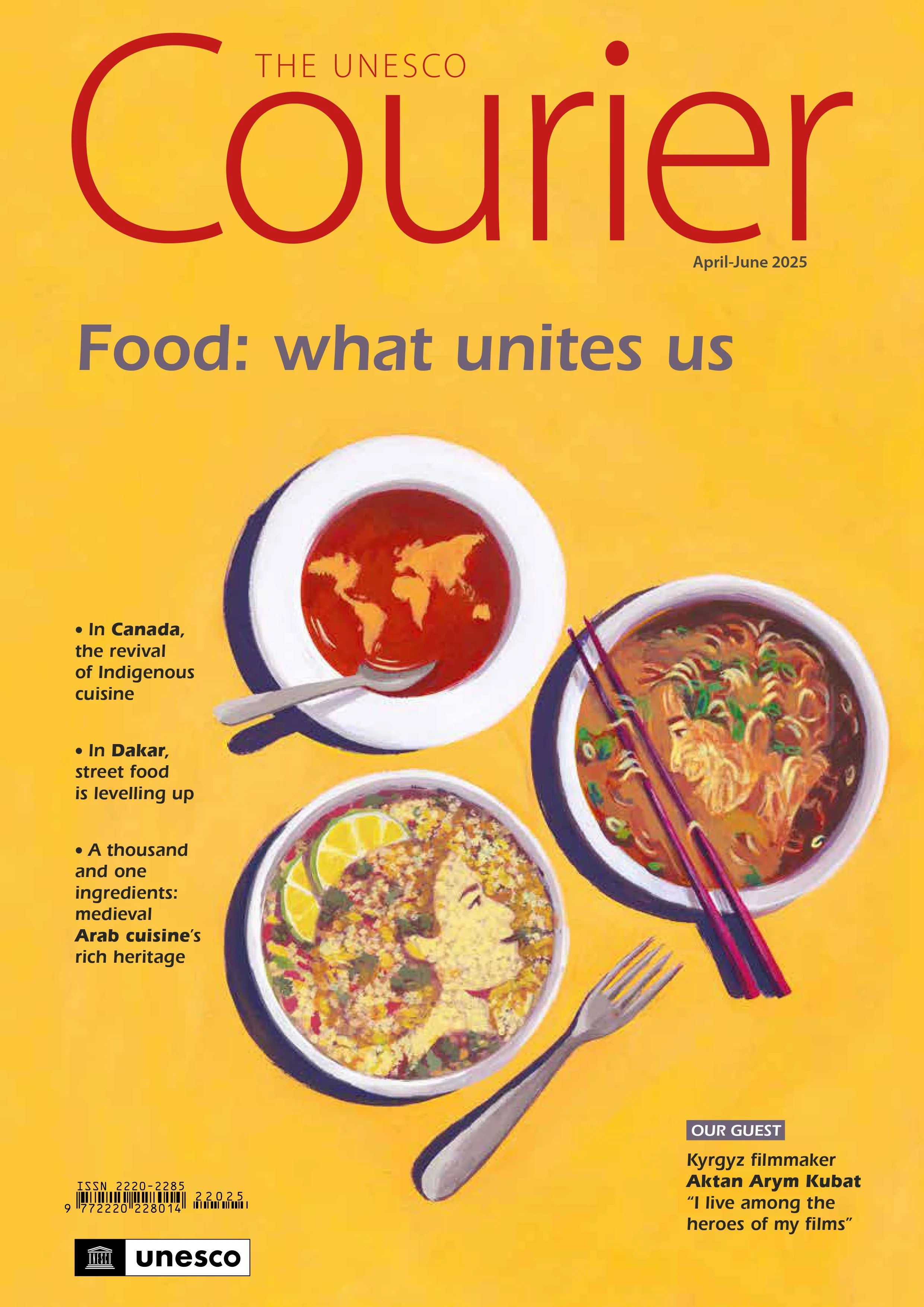
The UNESCO Courier - Food: What unites us
Modern industrial agriculture has vastly expanded global food availability, yet it has triggered severe environmental degradation, widespread health issues, and consumer alienation from food production. To address these challenges, countries and researchers are advancing innovative solutions, ranging from Chile's pioneering nutritional warning labels to cultivated alternative proteins and artificial intelligence for waste reduction. Crucially, traditional culinary practices serve as intangible cultural heritage, uniting communities, preserving identity, and protecting global biodiversity.
#8)
CANADIAN ANTI-MONOPOLY PROJECT
17/12/2024
REPOST
Submission

CAMP - Connecting Canadians
Canada’s airline sector is failing to deliver affordable, reliable connectivity. This submission to the Competition Bureau, which I helped develop during my time at CAMP, argues that market forces alone cannot fix the current duopoly. Drawing on lessons from the U.S. and Australia, it proposes bold interventions to foster competition. Recommendations include dedicating Bureau resources to monitoring, reducing airport fees for low-cost carriers, and adopting new models for regional access.
#9)
IBM
12/11/2024
REPOST
Building future ready governments - Transformational lessons learned from a global shock
A 2023 survey of 635 global government leaders across 44 countries examines how public sector organizations built operational resilience during the COVID-19 pandemic to prepare for future crises. Top performing Transformation groups outperformed peers through mature data management, advanced cybersecurity, and employee empowerment. To maintain long-term readiness and restore public trust, report findings urge governments to avoid complacency while investing strategically in AI, automation, cloud infrastructure, and collaborative ecosystem partnerships.
#10)
UNESCO
1/12/2023
REPOST
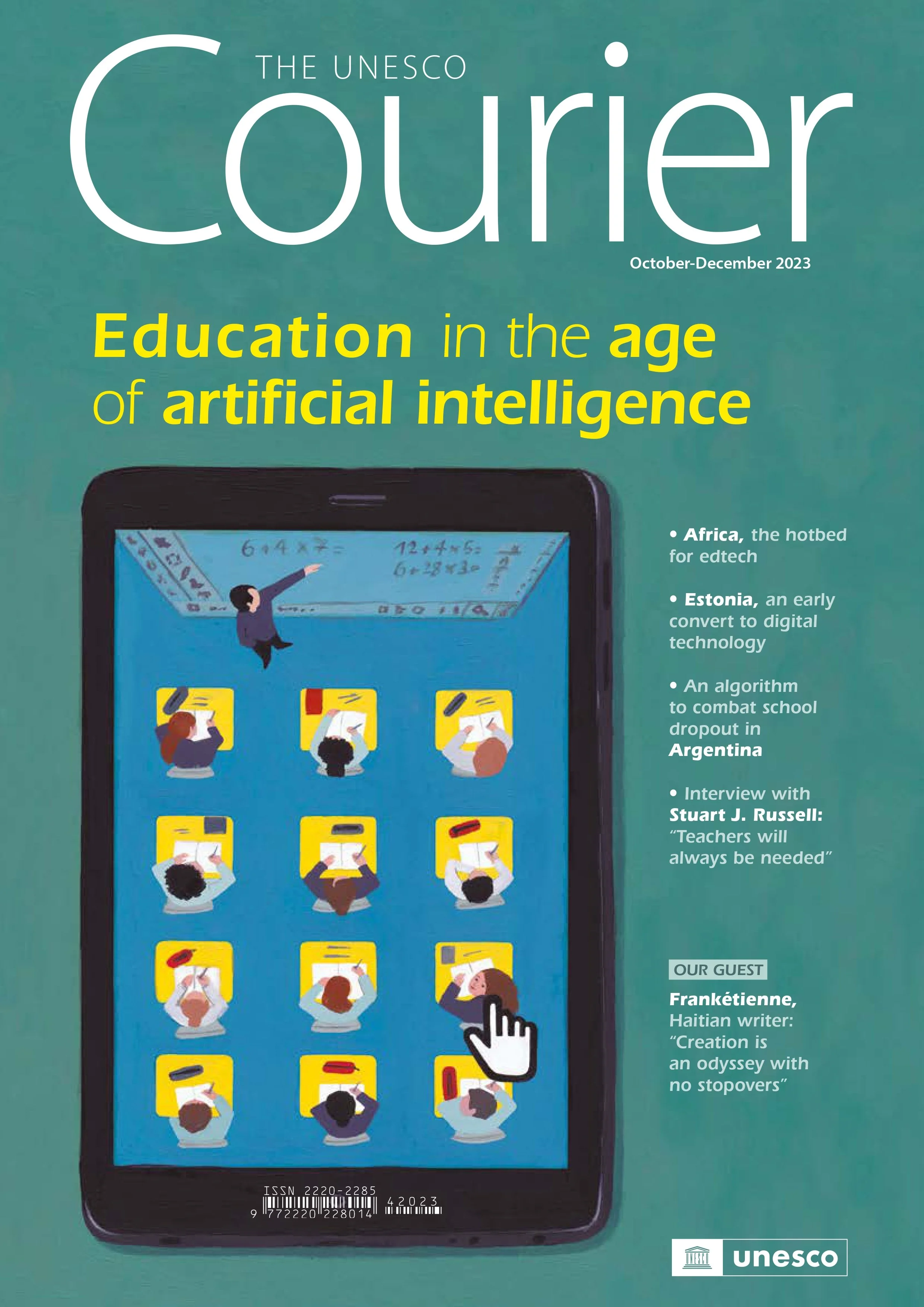
The UNESCO Courier - Education in the age of AI
The provided documents from The UNESCO Courier examine the complex integration of artificial intelligence and digital technology within global education systems. While innovations like generative AI and online tutoring offer personalized support for marginalized learners, the texts highlight significant risks regarding data privacy, misinformation, and the digital divide. Case studies from Africa, China, and Estonia illustrate how "edtech" can address teacher shortages but also warn against a "mechanical" approach to schooling that lacks human empathy.