
Publications
#11)
UNESCO
7/11/2023
REPOST
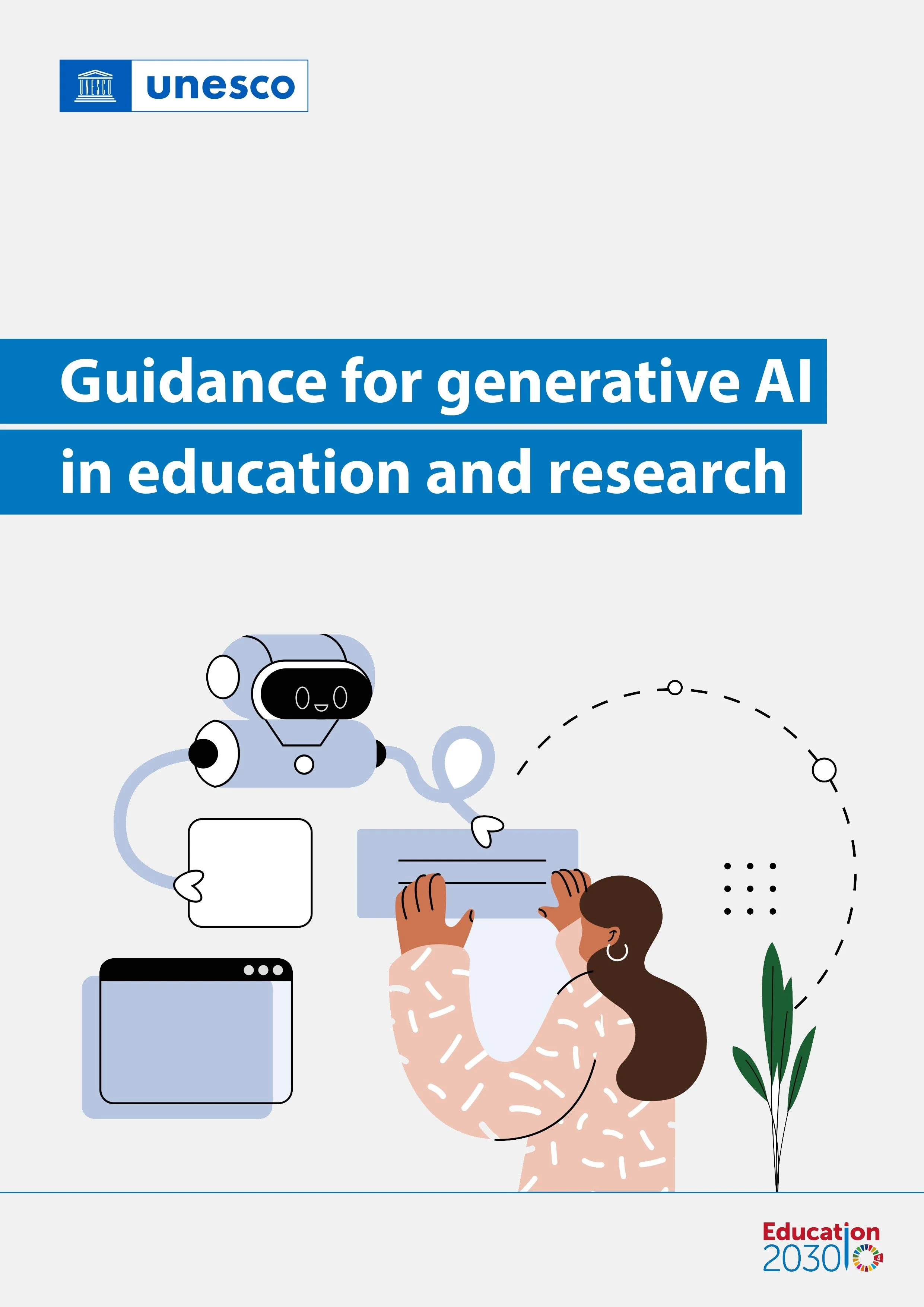
Guidance for generative AI in education and research
UNESCO’s global guidance addresses generative AI in education and research, urging a human-centered approach to safeguard human agency, data privacy, equity, and cultural diversity. It evaluates underlying AI technologies, highlights critical controversies such as digital poverty, bias, and unverified content, and outlines essential regulatory steps including age thresholds. Finally, it provides comprehensive frameworks for national policy formulation, ethical validation, and creative pedagogical co-design to genuinely empower teachers, learners, and researchers.

#12)
UNESCO
1/04/2023
REPOST
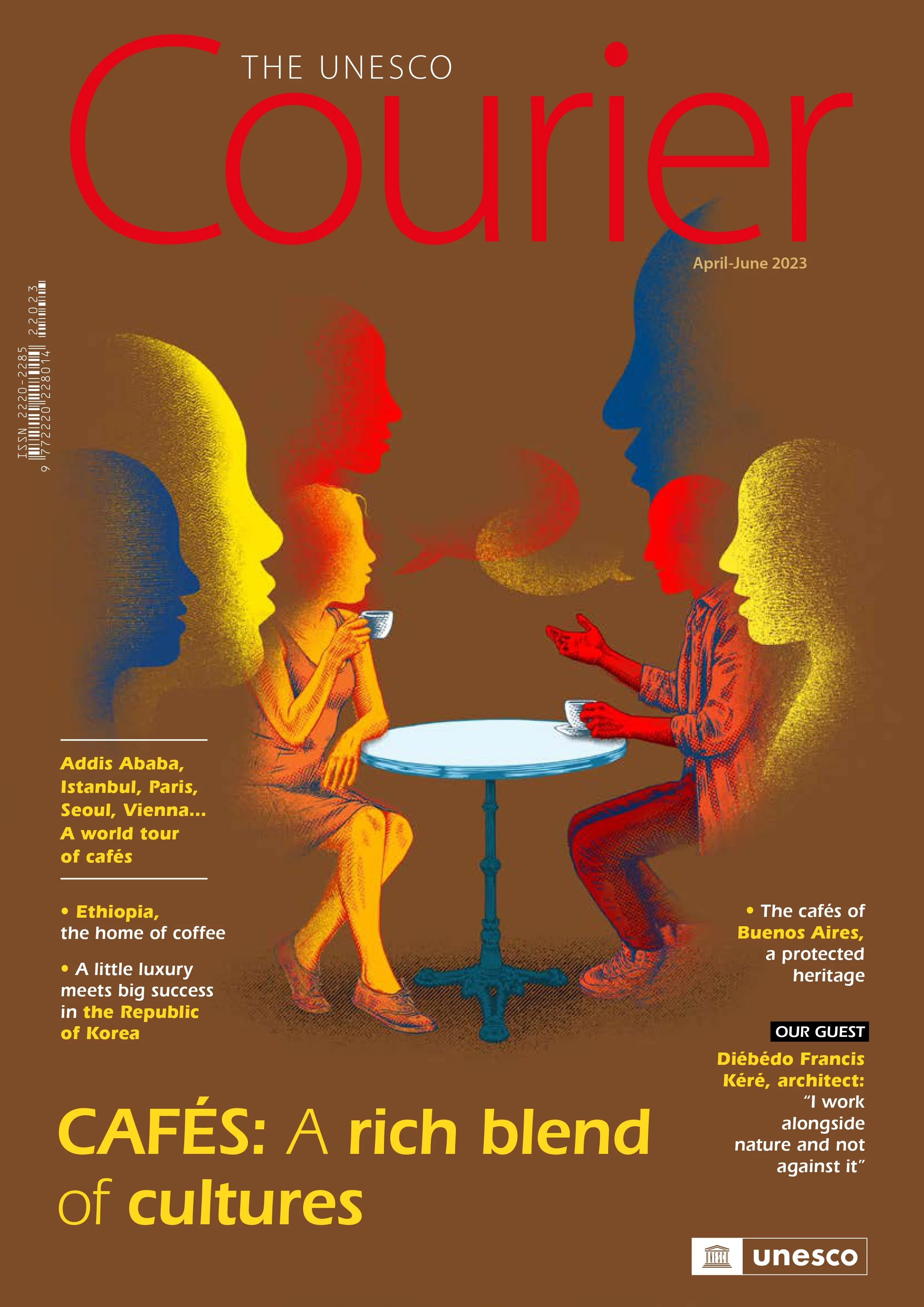
The UNESCO Courier - Cafés: a rich blend of cultures
The publication explores cafés as vital "third places" informal social spaces situated between home and work that foster community, democratic debate, and human sociability across diverse global cultures. Originating in the Middle East and Ottoman Empire before expanding across Europe, Asia, and the Americas, coffee houses have historically functioned as hubs of free speech, political movement, and artistic creation. Beyond examining regional coffee traditions from Ethiopia to South Korea, the issue broadens its scope to cover digital techno diversity, sustainable community architecture, global educational health initiatives, and cultural photography.
#13)
UNESCO
16/03/2022
REPOST
Multistakeholder AI Development: 10 building blocks for inclusive policy design
Published by UNESCO and i4Policy, this comprehensive guide presents ten building blocks for inclusive national AI policy design mapped across three key phases: agenda-setting, drafting, and implementation and evaluation. Although AI offers immense economic opportunities, it poses severe risks of amplifying existing socioeconomic inequalities and violating fundamental human rights. The framework empowers policymakers to harness collective intelligence through broad stakeholder collaboration, ensuring ethical, transparent, human-centered, and rights-based AI governance.
#14)
UNESCO
01/01/2021
REPOST
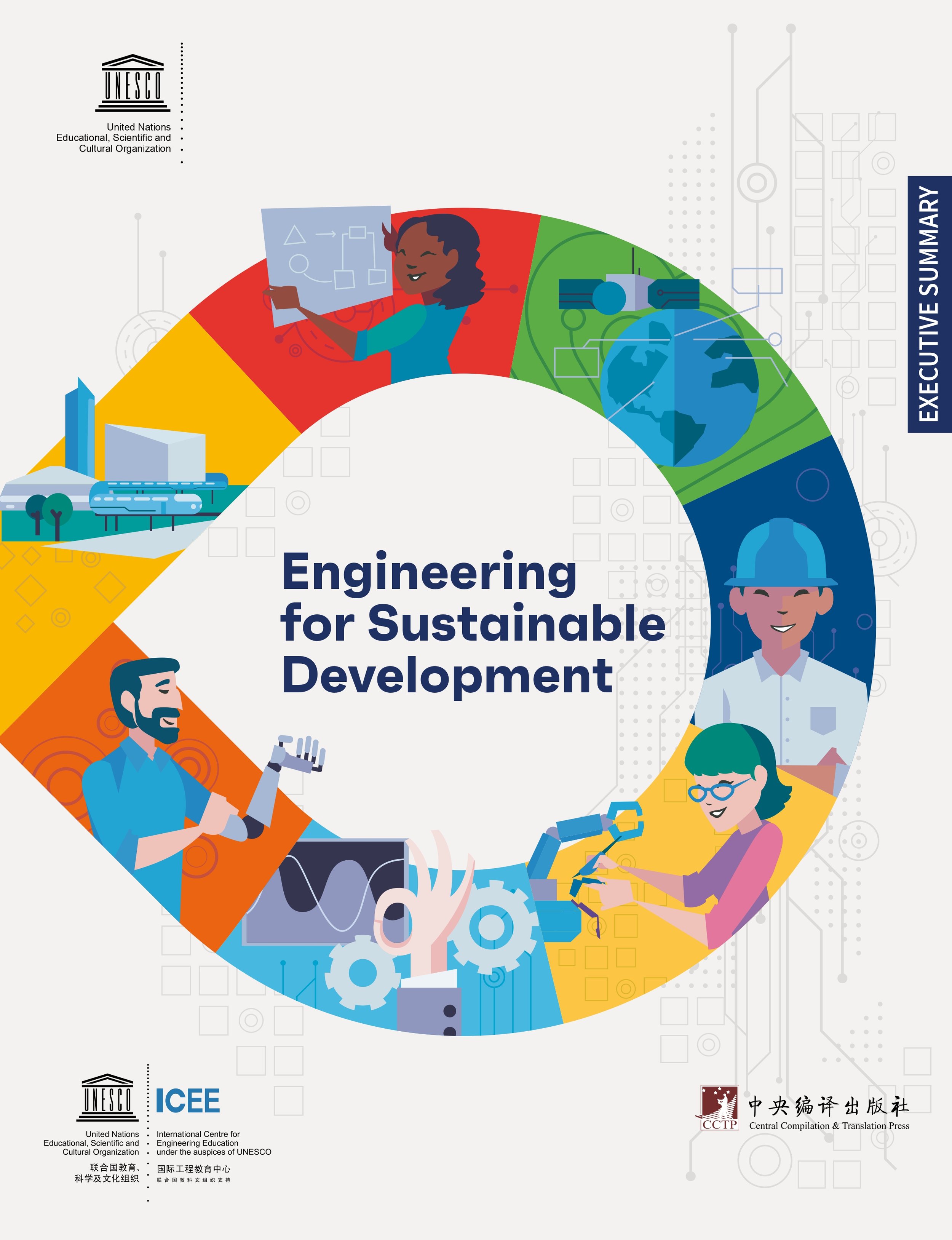
Engineering for sustainable development
This UNESCO report emphasizes that engineering serves as the primary engine for fulfilling the 17 Sustainable Development Goals by the year 2030. The text outlines how diverse fields—ranging from civil and environmental engineering to artificial intelligence—address urgent global needs like clean water, food security, and climate resilience. It advocates for a fundamental shift in engineering education, promoting an interdisciplinary approach that prioritizes ethical responsibility and sustainability.
#15)
UNESCO
01/05/2019
REPOST
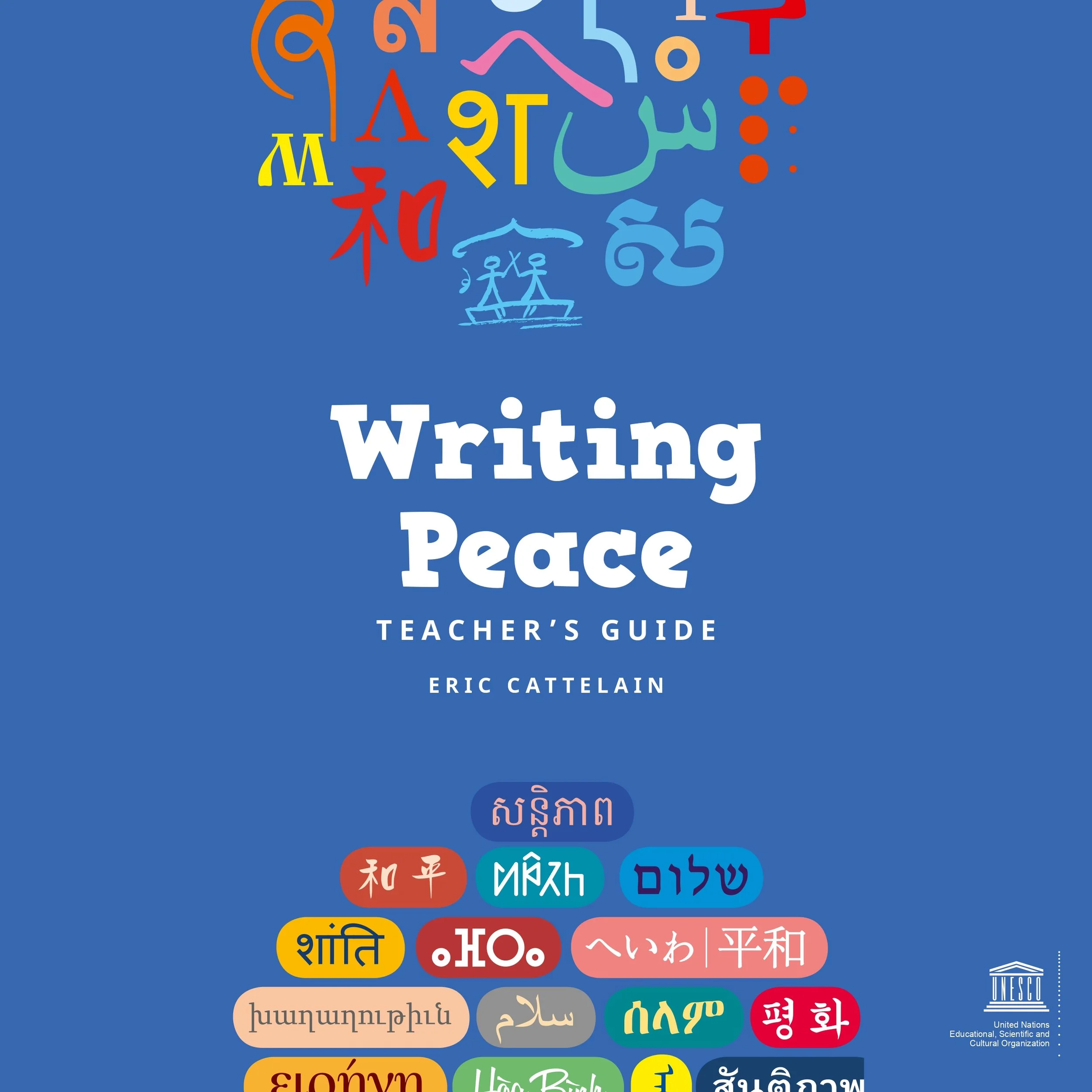
Writing peace: teacher's guide
UNESCO’s Writing Peace: Teacher’s Guide, authored by linguist Eric Cattelain, supports educators in introducing students aged 8 to 18 to contemporary writing systems. Organized into ten thematic workshops, the pedagogical guide explores script families, language interactions, history, and creative calligraphy. By engaging young learners with diverse scripts and global expressions for peace, the initiative actively promotes intercultural dialogue, mutual respect, and a shared commitment to global citizenship.
#16)
UNESCO
01/03/2019
REPOST
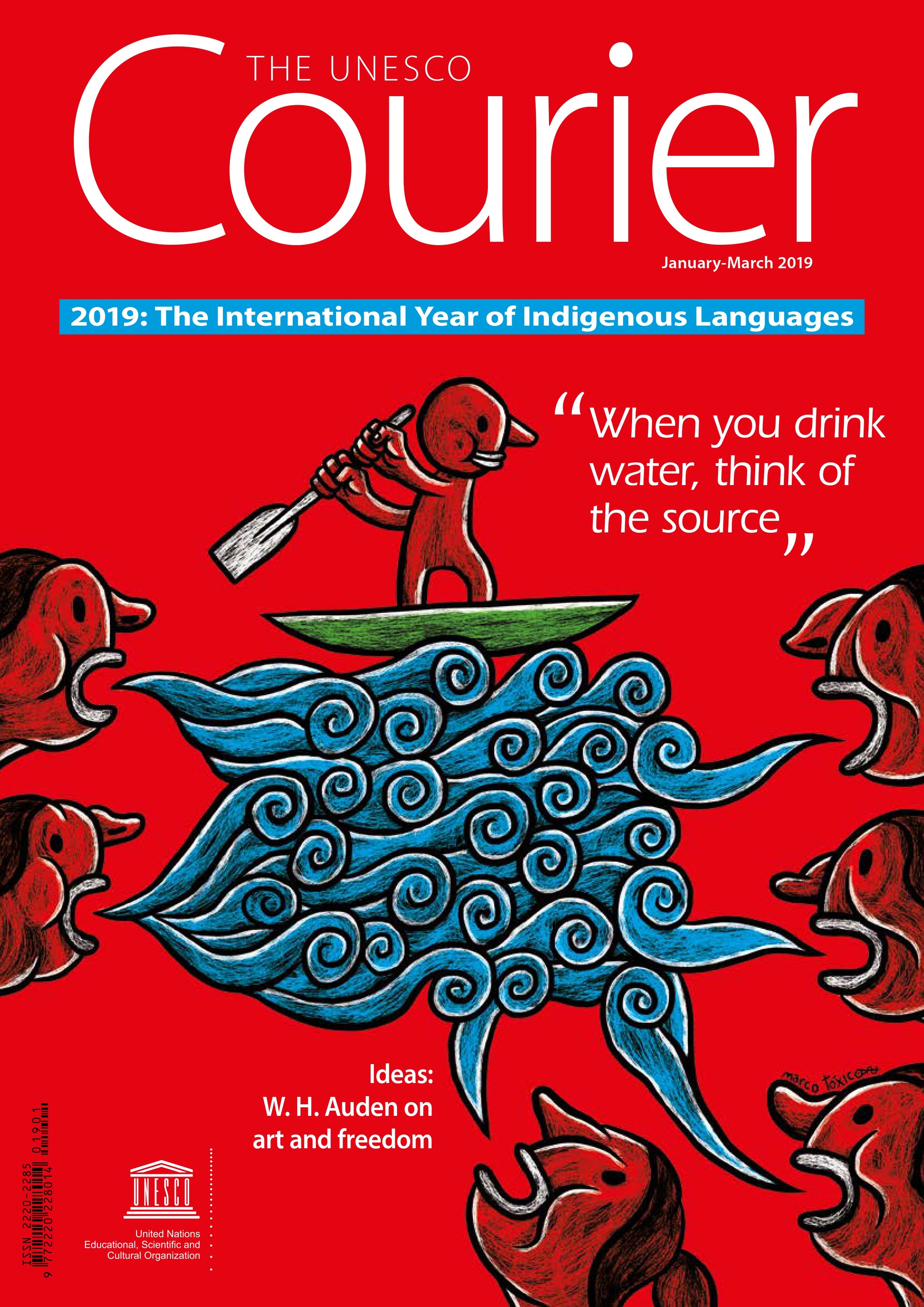
The UNESCO Courier - 2019: The International Year of Indigenous Languages
This 2019 edition of the UNESCO Courier highlights the critical role of indigenous languages in preserving global cultural and biological diversity. The sources emphasize that these tongues are not merely tools for communication but repositories of ancestral knowledge essential for environmental conservation and sustainable living.
#17)
UNESCO
01/06/2008
REPOST

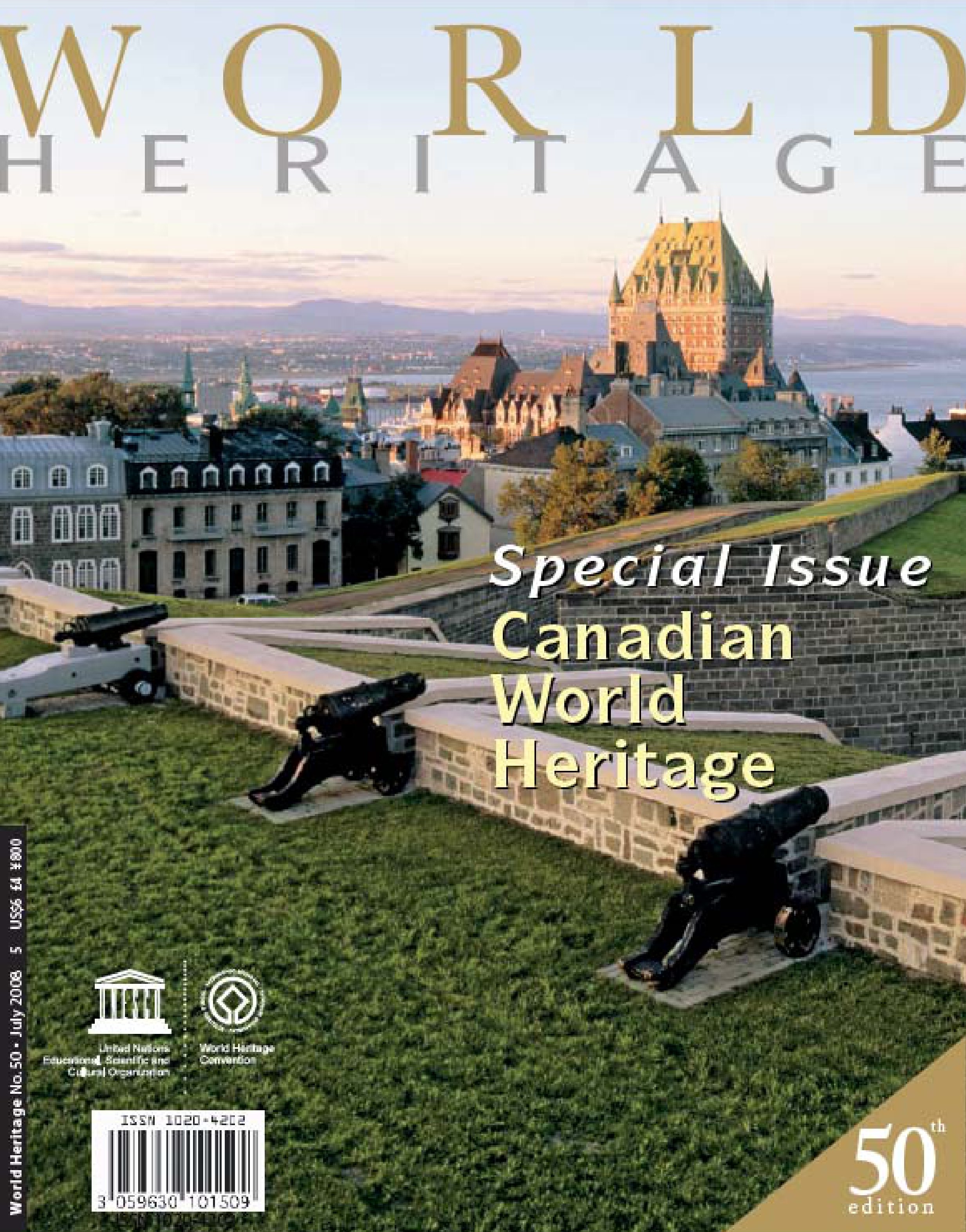
World Heritage - Special Issue; Canadian World Heritage
This special issue of World Heritage highlights Canada's natural and cultural legacy on the occasion of the 32nd session of the World Heritage Committee in Quebec City. It showcases Canada's 14 World Heritage sites, ranging from natural parks and ancient fossil reserves to historic towns and First Nations cultural landscapes. Additionally, it details 10 sites on Canada's Tentative List and emphasizes collaborative management with Aboriginal communities to protect shared heritage.
#18)
Library of Parliament
REPOST
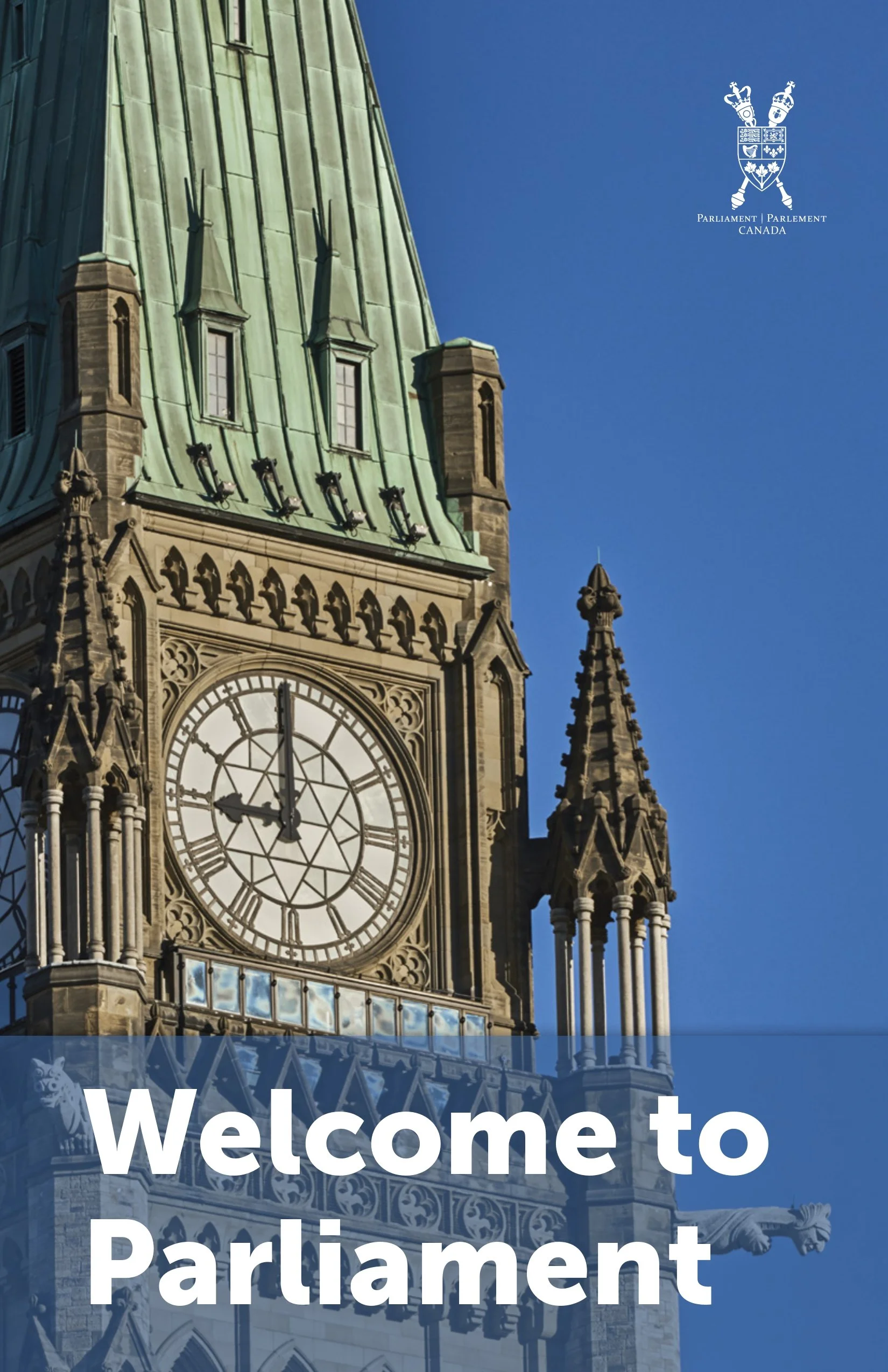
Welcome to Parliament
An explainer outlining Canada’s parliamentary democracy. As the federal legislature, Parliament passes national laws on issues affecting the entire country, such as trade and defence. It comprises three key pillars: the Monarch (represented by the Governor General), an appointed Senate providing regional representation, and an elected House of Commons representing the population. Together, they propose, debate, and pass legislation.